
Hidden Heavy Metal Toxicity?
Hair Tissue Mineral AnalysisInterClinical eNews October 2019, Issue 97 Heavy metals are so ubiquitous in our environment that everyone is exposed to them. They cannot be avoided completely and are found in virtually everyone to some degree. Sources of heavy metals range from environmental, occupational, household (including foods, water, paints, cosmetics, etc), medical and hobbies. Heavy metals can enter the body through inhalation, intestinal absorption as well as be absorbed through the...

Ferrous Bisglycinate – The Gentle Iron
InterClinical eNews August 2019, Issue 95 Iron deficiency anaemia affects a significant portion of the Australian population and in this issue, we explore the properties of ferrous bisglycinate (Ferrochel®), a patented iron amino acid chelate which has an admirable track record. (1) Those at higher risk of developing a deficiency include children and teenagers; pregnant, breast feeding or menstruating females; vegans and vegetarians and endurance athletes. Whilst dietary intake is important to help...

True Cinnamon and Cassia – Exploring Their Anti-diabetic Properties
InterClinical eNews June 2019, Issue 93 Cinnamon has a long history of domestic and medicinal use going back several hundred years. It is has been used in Ayurvedic and Traditional Chinese medicine since ancient times and has recently received researchers attention due to its extensive range of medicinal properties such as anti-diabetic, antimicrobial, antiviral, antioxidant, gastro-protective and cholesterol lowering properties. (1) Of the approximately 250 species in the genera, the bark of...
Zinc Puts Out the Fire in Chronic Infections
InterClinical eNews January 2019, Issue 88 (Updated 2024) In this month's issue, we take a look at new research on the role of zinc in moderating the immune system's response to chronic infections. Australian researchers wanted to know what moderates the activity of pro-inflammatory interferon IFN-L3. To better understand the regulation of pro-inflammatory interferon IFN-L3 in acute and chronic disease, researchers at the University of Sydney and Westmead Hospital developed an in vivo / in vitro model to examine a range of potential inducers and inhibitors...
Pyrroluria - Medical Condition or Biomarker?
InterClinical eNews March 2019, Issue 90 This month's issue explores the evidence for Pyrroluria, and asks the question - is it a discrete medical condition or is it a biomarker of other pathology? We take a look into the history, research findings and treatment options. Detection Hydroxyhemopyrrolin-2-one (HPL) or "mauve factor" was first discovered in 1958 in the urine Dr Hoffer's psychiatric patients. It was named after the colour it appeared in chromatograph assays. It was later identified by a fellow researcher, Irvine, as...
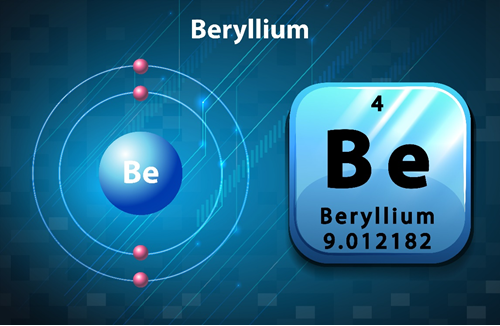
Chronic Beryllium Disease – Who is at Risk?
InterClinical eNews February 2019, Issue 89 In this month's issue, we take a look at all things beryllium. We consider its properties, commercial uses, populations at risk from contamination and the consequences of short-term and long-term exposure. Beryllium's Properties Beryllium is a very strong, lightweight, corrosion resistant and heat absorptive material. It generates and absorbs neutrons, conducts electricity and is transparent to X-rays. This unique set of properties make it highly desirable for a number of industrial uses. (1) Industrial Uses Beryllium...

Glycine – an Unsung Hero
InterClinical eNews February 2019, Issue 89 Glycine is the smallest, conditionally-essential, amino acid. It is a crucial structural component in the body and exerts a far-reaching range of biologically moderating effects within the body. It can be synthesised in the body from serine, threonine, choline, and hydroxyproline via metabolism in the liver and kidneys.(1,2,3) Mineral Carrier Glycine's small size and neutral charge make it an ideal ligand for facilitating the delivery of minerals within the body; increasing its ease of absorption. Glycine improves the solubility of the whole compound leading...
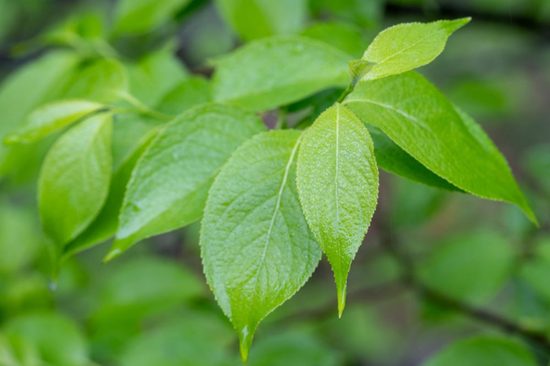
Eucommia Ulmoides – The Bone Protector
InterClinical eNews May 2019, Issue 92 Eucommia ulmoides (EU) also known as 'Du Zhong' in the Chinese language, has a long history of use in Traditional Chinese Medicine (TCM) as a yang tonic for the kidneys and liver and as a bone and sinew (tendon) strengthener. In TCM it is indicated for bone weakness and pain in the lower back, joint pain or weakness particularly in the knees, and muscular and tendon weakness in general. In this...
Heart Disease, Copper and Soft Drinks
InterClinical eNews June 2019, Special Edition Recently a popular news story warned that high, long term consumption of sweetened beverages such as soft drinks and soda may increase health risks. A study published in the journal Circulation (1) found that sugar-sweetened beverages, as well as artificially sweetened beverages, were associated with mortality rates. The study consisted of over 37,000 men and over 80,000 women who were followed for over 20 years. Their...
Sulphites, SIBO & the Maladaptive Response
InterClinical eNews April 2019, Issue 91 This month's issue explores the metabolic disorder sulphite syndrome. We take a look at why sulphites accumulate, highlight the key elements of the symptom picture, discuss how the body adapts, and consider whether some treatment-unresponsive subsets with gut conditions such as SIBO might fit this profile. Lastly, we discuss simple strategies for treatment. Sulphur's Roles in the Body Sulphur's many important roles include being a component of cell structural integrity, gastrointestinal tract lining, connective tissue,...