
Hydrochloric Acid – Why it’s Essential for Optimal Digestion
InterClinical eNews December 2018, Issue 87 The festive season is upon us, bringing matters of digestion into focus. In this issue, we go back to the basics, exploring the physiology and biochemistry of gastric acid production. In particular, we look at the importance of acidification and the role of nutrients and metabolites in hydrochloric acid production. The Importance of Acidification The acidification of the stomach contents yields several digestive benefits. Firstly, it denatures...

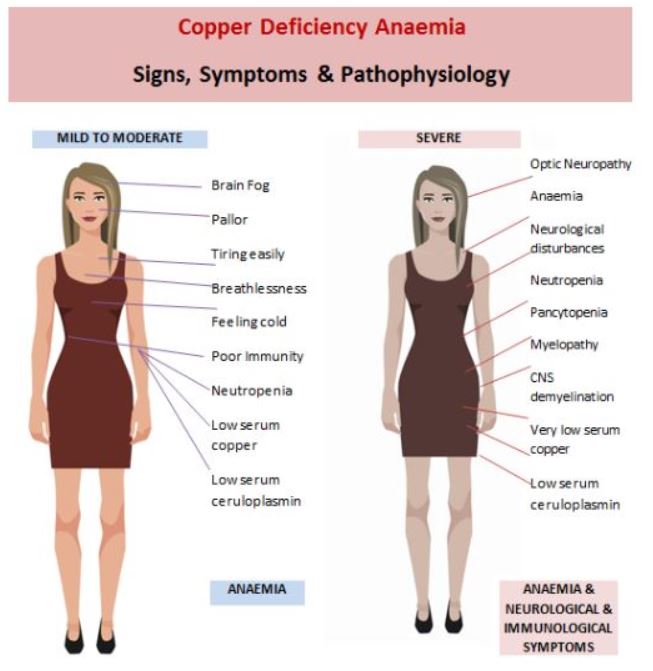
Anaemia and the Copper-Deficient Patient
InterClinical eNews November 2018, Issue 86 Copper deficiency is a less common and under-recognised cause of anaemia, producing an anaemia unresponsive to iron, vitamin B12 or folate. In this journal article four expert reviewers highlight the key features, the likely causes, the populations affected and how to treat the symptoms. Copper Deficiency Symptoms Mild copper deficiency is largely indistinguishable from other types of anaemia, apart from a persistent neutropenia. As it progresses in severity the symptom picture becomes...

Conception – Zinc’s Critical Role in Early Egg Maturation
InterClinical eNews October 2018, Issue 85 With up to 15 % of Australian couples struggling to conceive, infertility has become an important public health concern. (1) Whilst the causes of infertility may be multifactorial, researchers at Pennsylvannia State University desired to understand the role of zinc in early infertility, particularly egg quality, viability and maturation. They also sought to determine how early in the egg's development zinc begins to affect egg quality. (2) The Study The researchers collected preantral...

Vitamin C – Can It Improve Acute Exam Anxiety?
InterClinical eNews September 2018, Issue 84 With HSC and university exams looming we are all on the lookout for anything safe and effective for short-term anxiety. Cumulative evidence from preclinical studies demonstrates that short-term administration of ascorbic acid - or vitamin C - can confer positive effects on mood. Given these findings, researchers at the Federal University of Catalina decided to investigate the effect of just a single dose of ascorbic...

Iron Deficiency Anaemia in Pregnancy – Which Iron is Best?
InterClinical eNews August 2018, Issue 83 Iron deficiency anaemia (IDA) represents a major health concern during pregnancy. IDA is associated with increased risk of preterm pregnancy, low birth weight and restricted intrauterine growth rates.(1) A number of types of iron supplementation exist such as ferrous fumarate, ferrous sulphate, ferrous gluconate and amino-chelated forms such as ferrous bis-glycinate. Amino chelated forms are considered superior due to their ability to transit the intestines still...
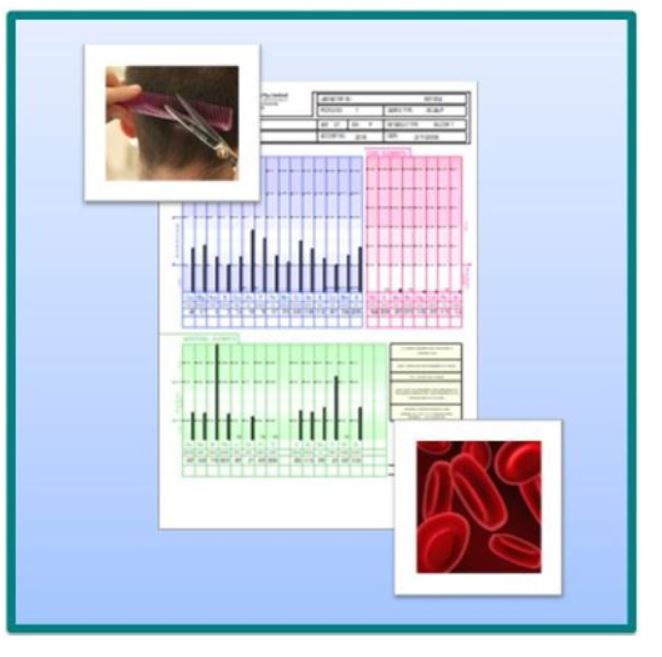
Do Hair Iron & Body Iron Correlate?
InterClinical eNews July 2018, Issue 82 Iron deficiency is one of the most common metabolic conditions in Australia. It induces symptoms of lethargy, poor concentration, shortness of breath and heart palpitations that can impact severely on human health. (1) Being able to accurately estimate iron stores is crucial to identifying anaemia as a causative agent. This study sought to investigate if hair iron correlates with specific serum iron markers and whether or not it can be employed as a non-invasive marker of bodily iron...
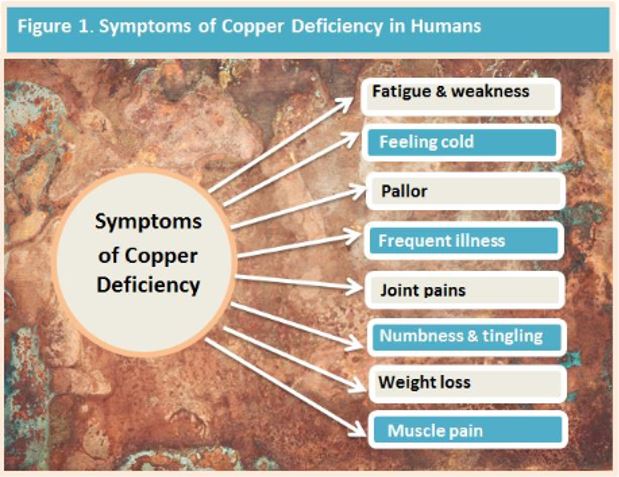
Signs & Symptoms of Copper Deficiency
InterClinical eNews June 2018, Issue 81 Copper has been recognised as an essential mineral since the mid 19th century when copper deficiency anaemia was first identified. In this issue we take a closer look at daily copper needs, the symptoms people with copper deficiency can experience, identify at-risk populations and discuss how the symptom picture can be easily mistaken for other conditions Copper Requirements The Australian national adequate daily intake (AI) for copper is...

Brahmi for Memory & Concentration in Children
InterClinical eNews May 2018, Issue 80 Bacopa monnieri - or 'Brahmi' as it's often known - has a long history of use in Ayurvedic medicine as a cognitive enhancing agent. These learning enhancement effects have been validated in healthy adults, but only recently has this herb been trialed in younger cohorts. In clinical settings, Bacopa polyherbal formulations have demonstrated improvement in children diagnosed with attention-deficit/hyperactivity disorder (ADHD) potentiating it as an alternative treatment....

Aluminium. It’s everywhere, but is it safe or a Toxin?
Aluminium. It's everywhere, but is it safe or a Toxin? InterClinical eNews April 2018, Issue 79 Aluminium is ubiquitous in the environment. In recent years, it's been increasingly incorporated in consumer products, foodstuffs, and drinking water with a presumption of safety. This presumption is based on the belief that as it is not overtly toxic in acute low-dose ingestion, cumulative consumption must also be benign. This month, we review the research to...

Liquorice – Wide-Ranging Effects on Adrenal Hormones
InterClinical eNews March 2018, Issue 78 With the increasing incidence of adrenal fatigue in the general population, we felt it was timely to take a look at liquorice - an adrenal-sparing herb. In this month's issue, we investigate the diverse effects of liquorice on adrenal hormones. Liquorice has been acknowledged for its ability to raise cortisol and researchers at the Queen's Medical Research Institute in Edinburgh sought to examine the broader range...